With the new year in sight and plans for 2026 starting to take shape, many homeowners are asking the same question: Is it finally time to tackle that roof replacement? Big home projects are never fun to plan, especially when it comes to budgeting. A new roof is one of the largest investments Minnesota homeowners make. So, understandably, it’s one you want to approach with intention.
We know it may feel overwhelming, but don’t fret! It’s possible (and pretty easy) to protect your home without breaking the bank. Here in Central Minnesota, there are several factors to consider when deciding what is best for your home. A good budget should balance cost, quality, durability, and long-term savings.
Here’s how to build a realistic roof-replacement budget for the new year, without sacrificing the quality, durability, or peace of mind you need.
 What Does a Roof Replacement Typically Cost (and What Affects That Number)?
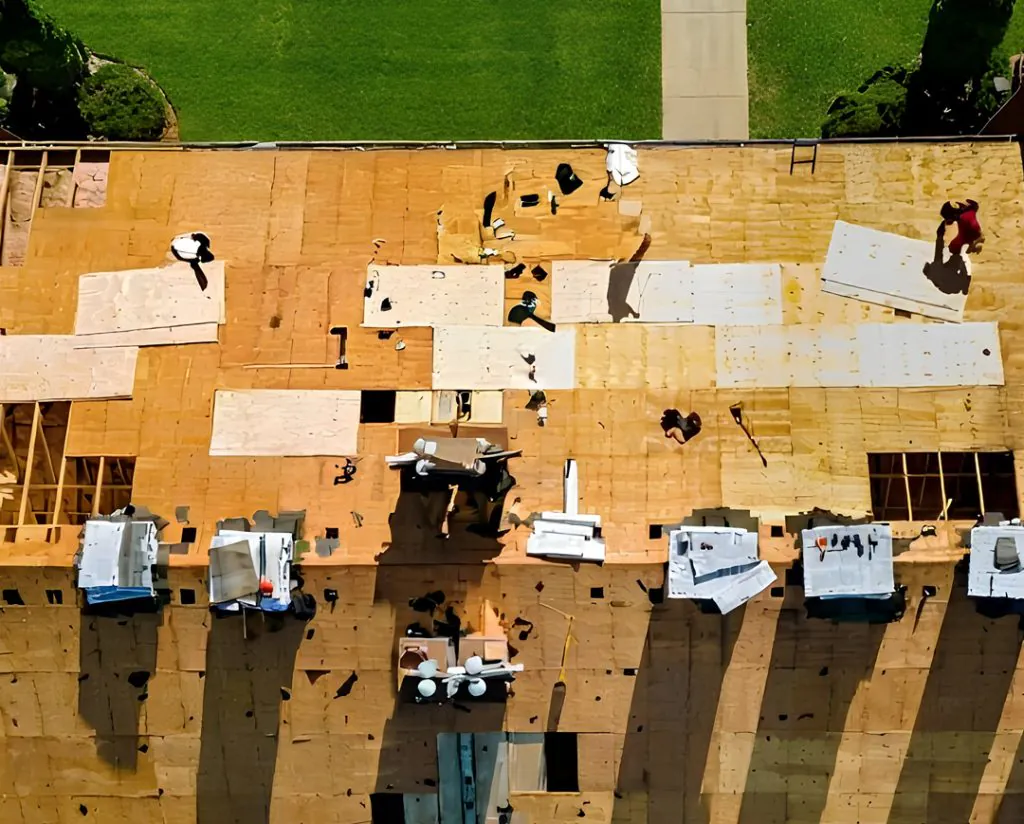 What Does a Roof Replacement Typically Cost (and What Affects That Number)?
Before you start building your budget, it helps to have a ballpark. Most roof replacements in Minnesota cost homeowners around $10,000 – $30,000+, depending on the size of the home, the pitch and complexity of your roof, materials chosen, and overall labor requirements.
Asphalt shingles are the most common (and cost-effective) roofing material in Central Minnesota. They typically range from $3 to $6 per square foot and total to $7,500 – $16,000 for an average-sized home. Keep in mind that our harsh winters, freeze-thaw cycles, and seasonal storms may naturally shorten the lifespan of asphalt, meaning Minnesota homeowners may need to replace their roofs sooner than those in milder climates.
Money-Saving Tip:
While metal roofing can cost more up-front, it offers significantly more durability and can last forty to seventy years, compared to the fifteen to thirty years of asphalt shingles. That longevity often turns into long-term savings, especially for homeowners who plan to stay in their home for the long haul. Learn more about metal roofs here.
Plan Your Savings: Including Hidden Costs
When deciding how much to set aside for a roof replacement, be sure to include a ten to fifteen percent buffer for any issues that may be uncovered during the replacement process. Rotted decking, poor ventilation, outdated flashing, or code-required underlayment upgrades are common. Although these aren’t always visible during initial inspections, they can significantly impact the final price once the tear-off begins.
Planning ahead with a small contingency fund prevents stress and allows you to choose the right solution for your home instead of defaulting to the cheapest fix last minute.
To plan effectively:
- Choose a target installation month and work backwards to create a savings timeline.
- Use tax returns, bonuses, or monthly contributions to build your roofing budget over time.
- Keep a small emergency reserve to avoid high-interest credit cards if surprises appear.
Understand Your Insurance & Warranty Options
Before finalizing your budget, take a chance to review what insurance or warranty coverage you may already have – these can significantly reduce your out-of-pocket costs.
Homeowners Insurance:
Most standard policies cover roof damage caused by sudden events like hail, wind, or fire. In Minnesota, weather-related claims are especially common. If the damage is connected to a legitimate hazard, your insurance may pay for repairs or a replacement. However, insurance typically does not cover issues caused by age, natural wear and tear, or lack of maintenance.
Roof Warranties:
Many roofing materials come with manufacturer warranties that cover product defects. These warranties vary, and some require certified installation to stay valid. While they don’t cover storm damage, they can save you money if material issues appear down the road.
What Insurance Usually Doesn’t Cover:
Gradual deterioration, old age, and routine maintenance issues are generally excluded from insurance claims. Be sure to keep a record of all inspections and small repairs that can help support future claims.
For a better understanding of your options for roof insurance, check this out.
Ask About Financing Options
Financing a roof replacement is a smart way to spread out the cost and relieve some upfront financial pressure. If paying out of pocket isn’t in the cards, several options help you fit a new roof into the budget without delaying the project.
Home Equity Loans
If you’ve lived in your home for some time and built equity, a home equity loan, or HELOC, allows you to borrow using your property as collateral. These typically have lower interest rates with longer, fixed monthly payments. Home equity loans are the most budget-friendly option for roof replacements.
Personal Loans
If your home hasn’t built up enough equity (or you prefer not to use your home as collateral), personal loans offer quick funds with fixed monthly payments. These loans tend to have higher interest rates and are more common for urgent repairs like active leaks or storm damage, which need to be handled in a timely manner and can be paid off quickly.
Roofer Financing
Many roofing companies offer in-house financing or partner with third-party providers to offer low-APR or promotional plans. This is usually the most convenient option and can make it easier to upgrade materials without increasing the upfront costs. Contact our team at Committed 365 Roofing for more information about financing options.
Choose a Contractor You Trust
Making all the right plans for your roof replacement is important, but choosing the right contractor is crucial to ensuring the project is done correctly and truly pays off. A dependable roofing company should not only offer fair, honest pricing but also help you avoid unnecessary costs, stay transparent about what you’re paying for, and guide you towards the options that fit your needs and budget.
After setting your budget, look at multiple contractors in the area to compare estimates before making a decision. Aim for 2-3 quotes for a good feel of pricing, materials, timelines, and overall professionalism. Friendly reminder: the lowest bid does not always equal the best value.
Before you pick up the phone, do a little homework on the company.
Here are some things to look for:
- Verified licensing and insurance
- Recent reviews (on Facebook, Google, BBB, etc.)
- A professional website or social presence featuring past work
- Clear contact information
Once you meet with roofing companies, prepare a few questions to make sure they’re the right fit. Here are a few examples:
- Can you walk me through your estimate and what each line item includes?
- What materials do you use, and what do you recommend for me?
- What warranties do you offer for both materials and workmanship?
- Who will be on-site during the project, and how long will the job take?
- How do you protect my landscaping and property during the project?
At Committed 365 Roofing, we believe in clear communication and honest work. If a roof replacement is in the plans for the new year, our team is here to guide you every step of the way. From the initial inspection to the final cleanup, we bring unmatched dedication to every project. Contact us to get started today!