





Storm Damage Process
in Minnesota

co365 house icon accent

A Step-by-Step Guide to Roof Insurance Claims

Storm damage is not just a roofing issue. It is a time-sensitive insurance process that determines how your roof is evaluated, approved, and replaced.
Most homeowners are not sure what happens after a storm or how the insurance process works. Claims involve inspections, adjusters, documentation, approvals, and coordination between multiple parties.
At Committed 365 Roofing, we guide you through a structured, predictable process so you always know what happens next, what to expect, and how to move forward with confidence.
If you are unsure whether your home has been affected, start with a roof inspection.

Most inspections completed within 24–48 hours

Get a Free Roof Inspection in Minnesota for Storm Damage, Repairs, or Replacement

Free inspection. Clear answers. No pressure. Fully licensed and insured across Minnesota. Most inspections completed within 24–48 hours.

Your message was sent!
Thank you for contacting Committed 365! We will reach out to you soon.

Step #1

Inspection, Estimate & How the Process Works

Before anything else, you need to determine the right starting point.

If your home experienced hail or wind and you are unsure about damage, start with a roof inspection. This is the first step in identifying whether storm impact is present and whether an insurance claim is appropriate.

If you already know your roof needs replacement and are not going through insurance, request an estimate. If you are unsure, starting with an inspection is the safest and most reliable way to move forward.

How the Storm Damage Process Works

Every storm damage project follows a structured path:

Each step builds on the previous one, and missing or rushing any part of the process can lead to delays, incomplete scope, or unexpected issues.

This structure exists to keep your project organized, predictable, and aligned with your insurance approval.

Where You Might Be in the Process

You may be at different stages depending on your situation:

  • If you have not had an inspection, start with a roof inspection.
  • If you have already filed a claim, the next step is the adjuster appointment, where your insurance company evaluates your property.
  • If your claim has been approved, you are moving into scope alignment, material selection, and scheduling.
  • If your project is already approved and funded, you are ready to move into production and installation.

Understanding where you are in the process helps ensure the next step is handled correctly and without delays.

storm damge roof over time

Step #2

Inspection, Claim Initiation & Adjuster Review

Everything begins with understanding whether your roof has been affected by storm damage. This phase determines whether an insurance claim is appropriate and sets the foundation for everything that follows.

Inspection

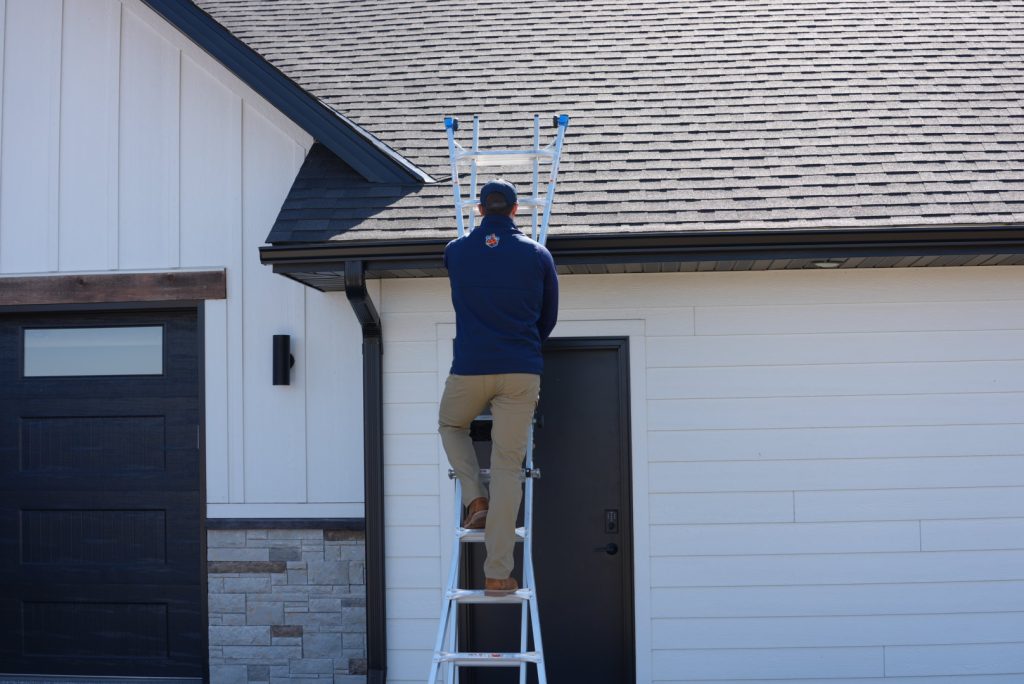
We complete a full exterior inspection, document hail and wind damage, and provide a clear assessment of your roof’s condition. This is the most important step because it determines whether an insurance claim is appropriate.

Documentation

This is the most important step in the entire process. A thorough inspection ensures that any damage is properly identified before a claim is filed, reducing the risk of missed items or incomplete evaluations later.

Adjuster Appointment & Evaluation

After your claim is filed, your insurance company schedules an adjuster inspection.

We meet the adjuster onsite to ensure all damage is properly identified and documented.

This step is critical because many claims are initially under-scoped, which can affect the outcome if not handled correctly. A proper roof inspection before and during this stage helps ensure accuracy.

Understanding Claim Outcomes

After the adjuster visit, there are a few possible outcomes:

Full Approval
Your insurance approves full replacement, and the project moves forward into material selection and scheduling. Learn more about what happens next in the roof replacement process.

Partial Approval (Repair vs Replacement)
In some cases, insurance may approve repairs instead of full replacement. We verify whether repair is actually viable by testing materials and confirming whether matching is possible. If materials cannot be matched or repairs are not sufficient, additional steps may be taken to pursue full replacement.

Supplement (Missing Items)
If the claim is incomplete, we submit additional documentation to correct the scope. This ensures all necessary work is included before production begins.

When We Do Not Push the Claim
If escalation does not make financial or practical sense, we will tell you directly. Our goal is to provide clear, honest guidance, not to force outcomes that are not in your best interest.
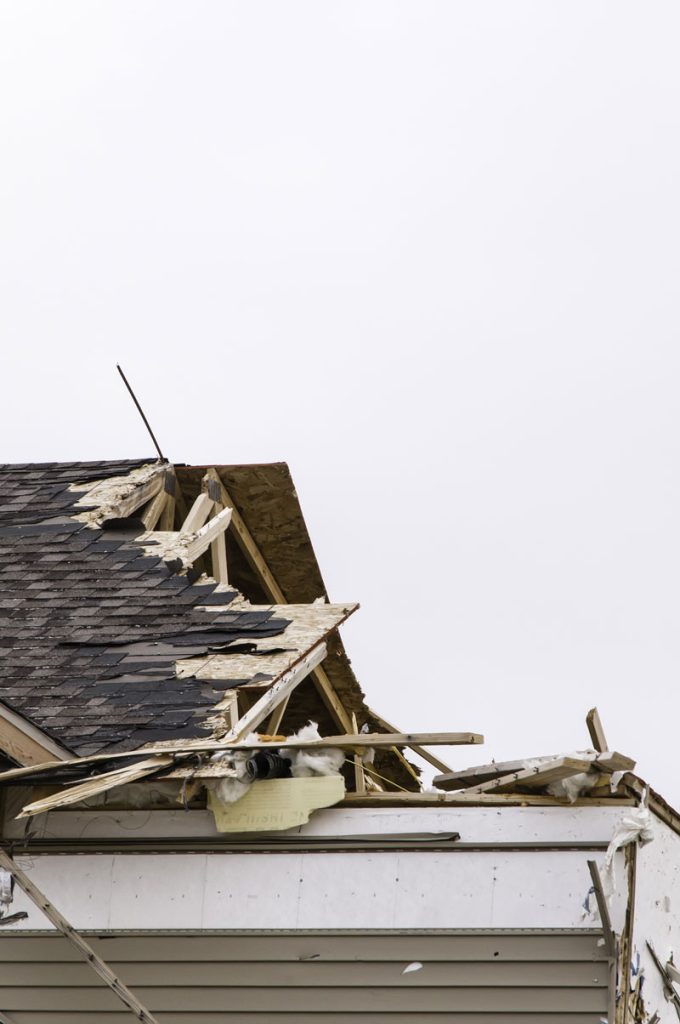
roof storm damage shingles

Step #3

Claim Approval, Scope Alignment & Project Preparation

Once your claim is approved, the focus shifts to aligning scope, materials, and project details. This phase ensures that everything is accurate, finalized, and ready before your project moves into production.

Scope Review

We review your insurance estimate line by line, identify missing or incorrect items, and finalize materials and colors

Material Selection

This step ensures that the work being completed matches both your home’s needs and the insurance-approved scope. If you are comparing options, visit roofing materials.

Why Scope Accuracy Matters

Accurate scope is essential. Missing items can lead to delays, unexpected costs, or incomplete work.

In many cases, differences between the insurance estimate and actual project requirements need to be addressed before work begins. Identifying and correcting these details early helps prevent issues during production.
We ensure everything is properly accounted for before moving forward so your project stays on track and fully aligned with your approval.

Mortgage Coordination

If you have a mortgage, your lender may need to endorse insurance checks before funds can be released.

This is the most common cause of delays in storm damage projects. Many homeowners are unaware of this step until later in the process, which can slow down scheduling if not handled early.
Coordinating this upfront helps keep your project moving without unnecessary delays.

Finalizing Before Production

Before scheduling:

  • Scope must be approved
  • Insurance funds must be collected
  • Upgrade payments must be completed
Once these steps are complete, your project is ready to move into production and installation.

Important: Changes After Approval

After approval, we recommend:

  • No material changes
  • No color changes
  • No scope changes
Changes after this stage require formal approval and may delay your project timeline. Finalizing all decisions upfront ensures a smoother transition into production and helps prevent disruptions once work begins.

Step #4

Production, Installation & Project Completion

Once everything is finalized, your project moves into production. This phase is where planning, coordination, and execution come together to complete your project efficiently and correctly.

Project Preparation

Before installation begins, we coordinate all project details to ensure a smooth start.

This includes pulling permits, ordering materials, scheduling your project, and preparing the job site. Proper preparation helps prevent delays and ensures your project is completed according to plan.
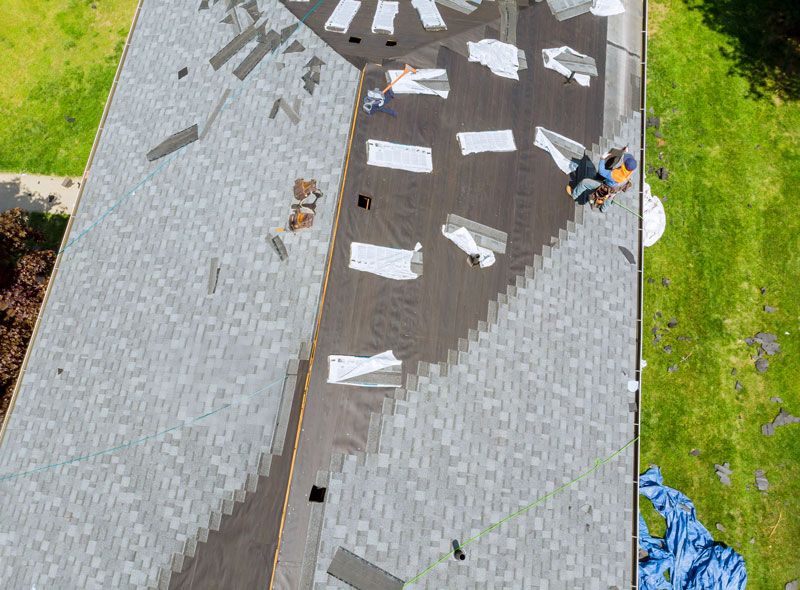
roofer working on replacement asphalt shingle roof

Installation

Your roof is installed according to building code and manufacturer specifications to ensure long-term performance and durability.

Each step of the installation process is completed with attention to detail so your roofing system performs as intended over time.

Learn more about the process on our roof replacement.

What to Expect During Installation

Most roofing projects follow a structured timeline that includes claim approval, material coordination, and scheduling. While timelines vary, most projects move from approval to completion within a few weeks depending on scope and availability.
During installation, you can expect clear communication, organized job sites, and consistent progress from start to finish. Our crews focus on maintaining a clean work environment while completing each phase efficiently.

Completion & Closeout

After installation is complete, we perform a final walkthrough to ensure all work meets expectations and aligns with the approved scope.

This includes site cleanup, removal of materials and debris, and a full project review to confirm everything has been completed correctly.

asphalt shingle roofing

Final Billing & Documentation

At the completion of your project, we review all final details to ensure everything is accurate, complete, and aligned with your insurance scope.

Final billing includes a review of your invoice, completion of any remaining insurance payments, and coordination of mortgage endorsements if required. This ensures all financial aspects of the project are properly finalized without confusion or delays.

You will receive complete documentation for your records, including:

  • Insurance paperwork
  • Final scope of work
  • Permits and approvals
  • Manufacturer warranties
  • Payment records
This documentation provides a clear record of your project and ensures you have everything needed for future reference, warranty support, or resale.
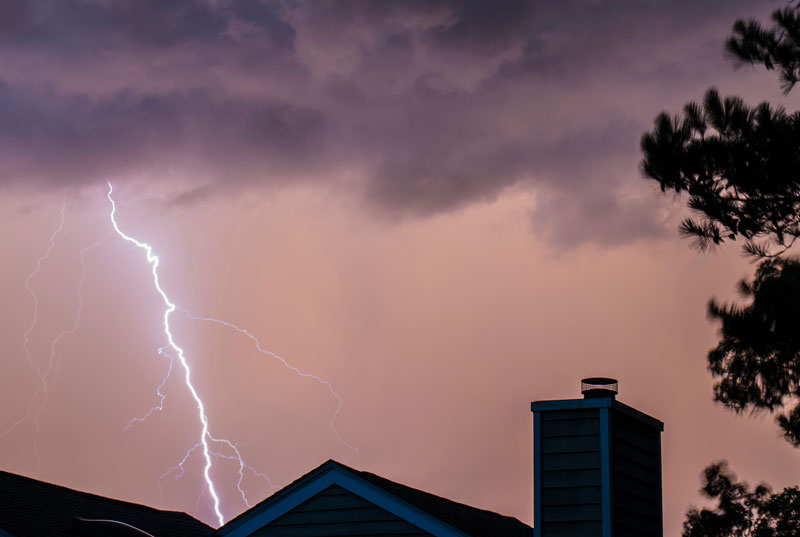
storm roof lightening

Where Storm Damage Projects Go Wrong

Most delays and issues in storm damage projects are preventable.

The most common problems we see include:

  • Waiting too long to file a claim
  • Not being present for the adjuster inspection
  • Missing or incomplete documentation
  • Mortgage processing delays
  • Incomplete insurance scope
These issues can slow down your project, create confusion, or lead to incomplete work if not addressed early.

If you are unsure where you stand in the process, start with a roof inspection to get clarity before moving forward.

What to Do Right Now

Taking the right step early helps prevent delays and ensures your project moves forward correctly.
  • If you are unsure about your roof’s condition, the next step is a roof inspection.
  • If your claim has already started, we can help ensure everything is properly documented and aligned before moving forward.
  • If you are planning a full replacement outside of insurance, request an estimate.
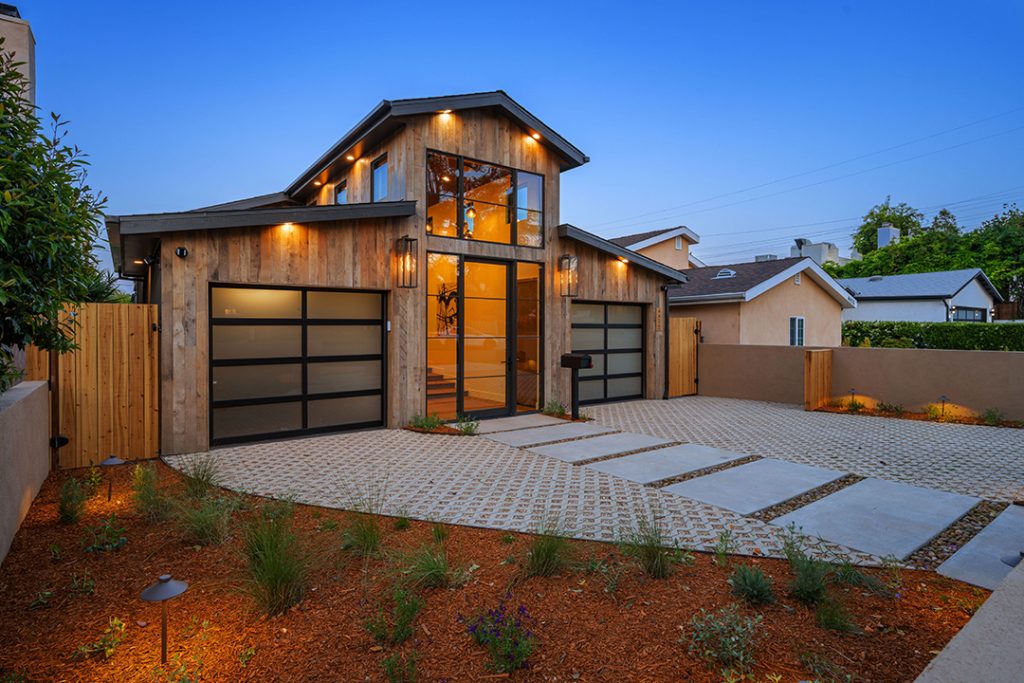
Residential property showcasing roofing and siding work by Committed Roofing & Exteriors.
contemporary roofing

Who You Work With Throughout the Process

To keep communication clear and consistent, each phase of your project has a dedicated point of contact.
  • Inspection & claim phase → Exterior Restoration Advisor
  • Production phase → Project Manager
  • Billing phase → Billing Team
This structure ensures that you always know who to contact and that each stage of your project is handled efficiently.

Why Homeowners Choose Committed 365 Roofing

Storm damage projects are different from standard roofing work. They involve insurance coordination, documentation, timing, and multiple decision points that can affect the outcome.
Our process is designed specifically for storm-related insurance work, where accuracy, communication, and timing matter.

We focus on:

  • Clear communication from start to finish
  • Accurate inspections and complete scope alignment
  • Efficient project coordination
  • Consistent, high-quality workmanship
We are not just installing a roof. We are guiding you through a process that most homeowners only experience once and making sure it is handled correctly.
committed365 service vehicles roofing location

Schedule Your Free Roof Inspection

If you believe your home may have been affected by hail or wind damage, the first step is a professional inspection. You can also review recent storm activity before scheduling.
A roof inspection provides clear answers, identifies potential issues early, and helps you understand exactly what to do next.
GettyImages 1023194344
Com365 favicon
co365 house icon accent

Storm Damage Process FAQs

Most projects take several weeks to a few months depending on claim approval, materials, and scheduling.
No. We guide you through the process and help you file your claim correctly from the start.
We review your situation and help determine whether additional documentation or next steps make sense.
No. Work is based on insurance approval and your deductible.
Mortgage processing, missing documentation, and incomplete insurance scope are the most common causes.