Central MN - July 18, 2025

co365 house icon accent

Wind-Driven Hail Impact on Roofs Across a Defined Storm Track

A severe storm system moved through Central Minnesota on July 18, 2025, following a defined southwest-to-northeast path that created a concentrated corridor of impact from Paynesville through Cold Spring to St. Augusta.
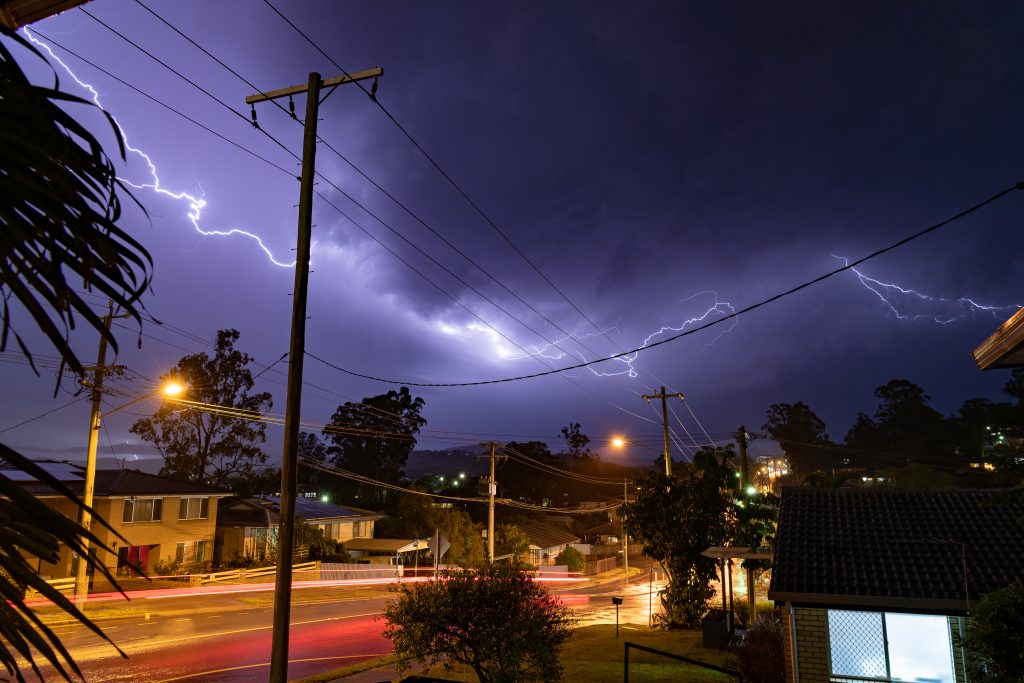
This storm brought a combination of hail, wind gusts exceeding 60 mph, heavy rain, and intense lightning across Stearns County and surrounding areas. Unlike isolated storm cells, this event created a continuous band of exposure affecting multiple communities along its path.
Because storms like this impact entire corridors rather than isolated locations, many homeowners within this zone may have experienced roof impact, even if no visible damage is immediately apparent.

Committed 365 Roofing provides professional roof inspections throughout Central Minnesota, including Paynesville, St. Augusta, St. Cloud, Waite Park, Cold Spring, and surrounding communities.

Most inspections completed within 24–48 hours

Get a Free Roof Inspection in Minnesota for Storm Damage, Repairs, or Replacement

Free inspection. Clear answers. No pressure. Fully licensed and insured across Minnesota. Most inspections completed within 24–48 hours.

Your message was sent!
Thank you for contacting Committed 365! We will reach out to you soon.

How the Storm Moved Through the Area

This storm progressed across Central Minnesota during the evening hours, intensifying as it moved east-southeast through the region.
Early impacts were reported just south of Paynesville near Eden Valley and Richmond, where hail reached approximately 1.75 inches in diameter, large enough to cause noticeable roof and exterior damage.
As the storm continued toward Cold Spring, Rockville, and Luxemburg, hail size decreased to around a quarter-size, but strong winds became more significant. In these areas, wind gusts around 60 mph contributed to tree damage and widespread debris.
By approximately 9:30 PM, the storm reached St. Augusta, where quarter-sized hail and strong wind conditions were reported under a Severe Thunderstorm Warning.
storm damge roof over time
storm roof lightening

Understanding the Storm Corridor

The July 18 storm followed a clear impact corridor across Central Minnesota, including:

  • Paynesville
  • Eden Valley
  • Richmond
  • Cold Spring
  • Rockville
  • Luxemburg
  • St. Augusta and St. Cloud
Within this corridor, storm intensity varied, with stronger hail reported in the western portion of the path and more wind-driven impact occurring further east.
This type of variation is common in linear storm systems, where conditions evolve as the storm moves across the region.

What Made This Storm Different

This storm was defined by its combination of shifting hail intensity and strong wind exposure across a wide area.
In the western portion of the storm path, larger hail created more direct surface impact. As the system moved east, wind became the dominant factor, contributing to shingle movement, debris impact, and tree damage.
Because of this transition, homes across the same storm path may have experienced very different types of roof stress.
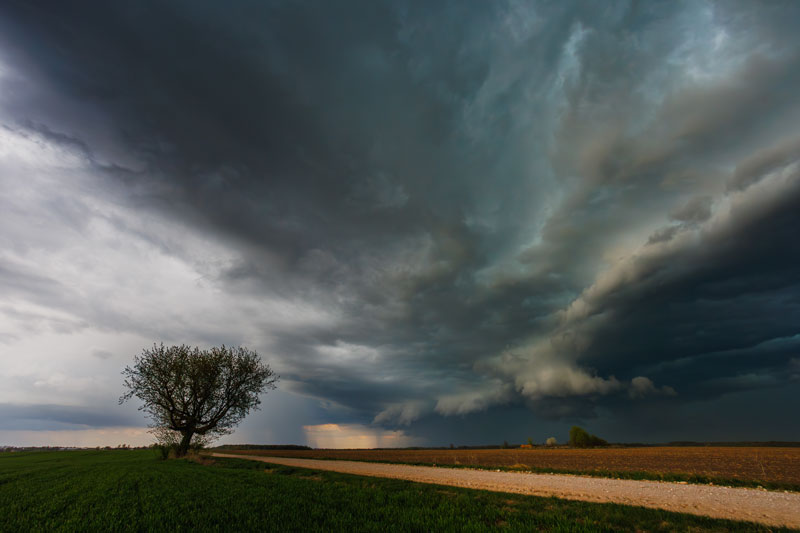
dark storm rolling through the fields
roof damage wind storm shingles

What We’re Seeing After the Storm

Following storms with both hail and wind components, we consistently see layered patterns of roof impact.
In many cases, homeowners do not notice immediate issues. Instead, early signs begin to appear over time.

Signs of damage include:

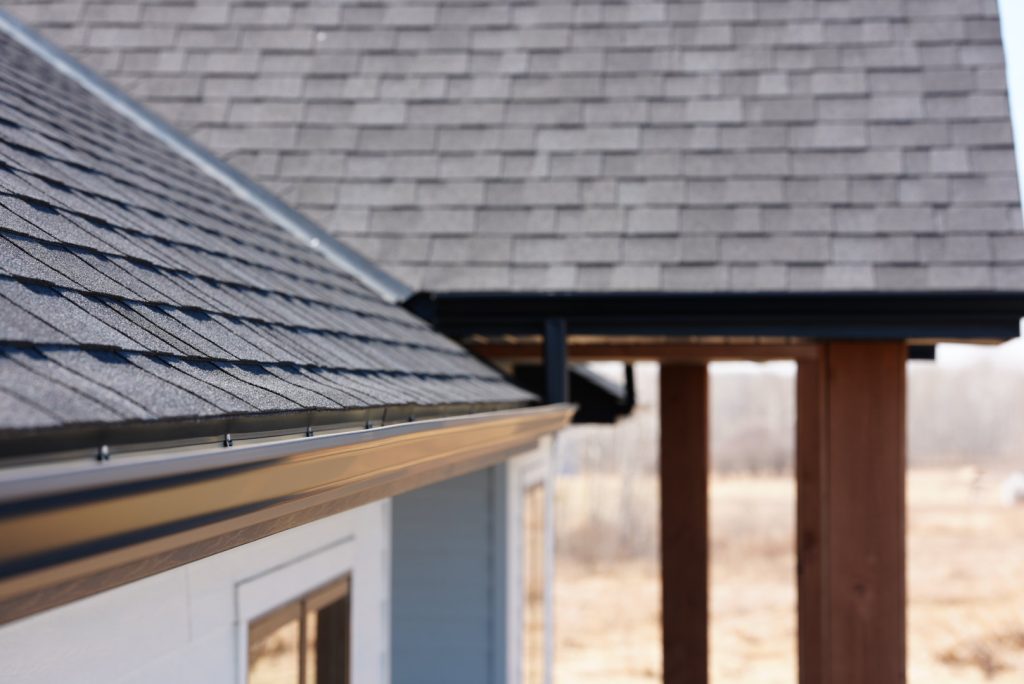
  • Granules collecting in gutters
  • Shingles that have shifted or loosened
  • Areas where shingles no longer seal properly
  • Minor interior staining after rainfall

It is also common for multiple communities along the storm path to begin scheduling inspections around the same time as these signs become more apparent.

How Large Hail Affects Roof Performance

Storms like this affect roofing systems in multiple ways.
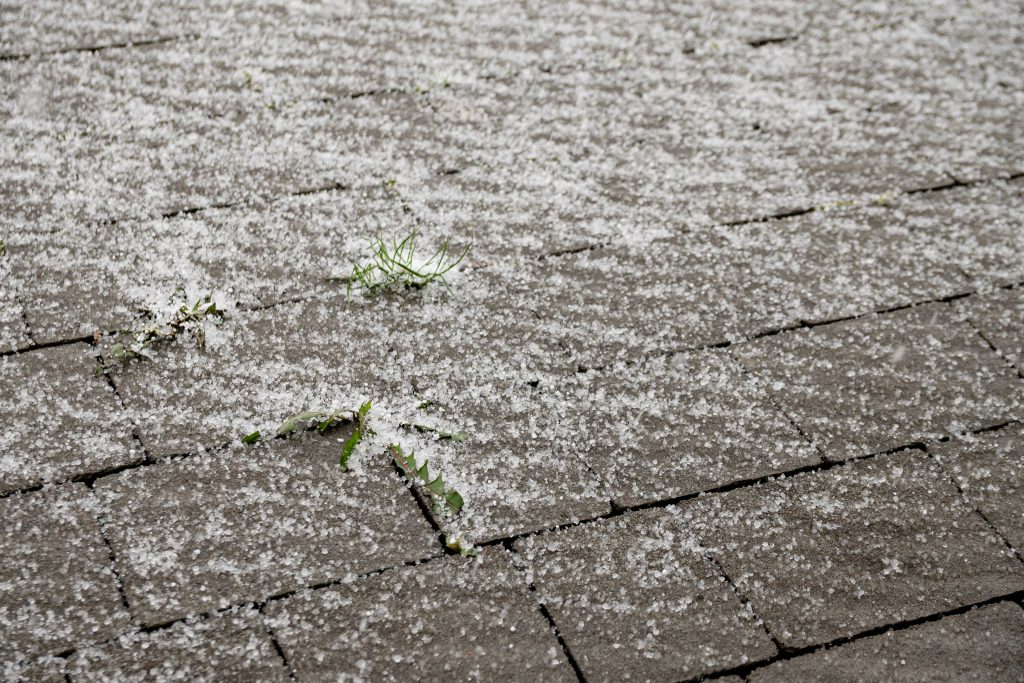
Hail, particularly in the golf ball-sized range, can weaken the surface of shingles and reduce their protective capability. Wind can then compound the issue by loosening shingles or breaking their seal.
Even quarter-sized hail, when combined with strong wind, can contribute to long-term wear and reduced roof performance.
Over time, this combination can lead to leaks, accelerated aging, and shortened roof lifespan.
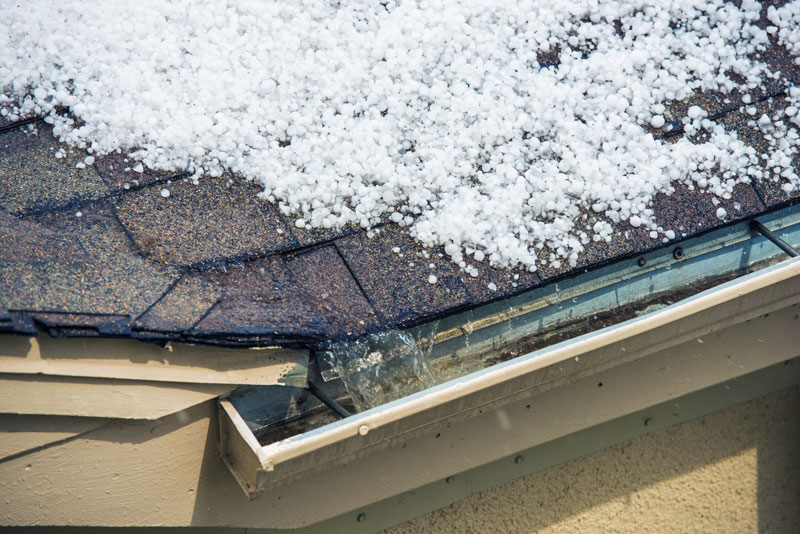
hail on the roof damage
shingle roof

Why Wind-Driven Damage Is Often Missed

One of the most common challenges with storms like this is that wind-related roof impact is not always visible.

Unlike large hail that may leave obvious marks, wind damage often affects how the roof functions rather than how it looks.

Shingles may remain in place but become more vulnerable to future weather, which is why many homeowners only discover issues later.

How to Evaluate Your Risk Along the Storm Path

Your home may have been affected if you are located within this Central Minnesota storm corridor and:

  • You experienced strong wind gusts or hail on July 18
  • Nearby homes are being inspected or repaired
  • You notice debris, granules, or subtle roof changes
  • Your roof is older or more exposed
Homes located along the Eden Valley to St. Augusta path are more likely to have experienced measurable impact.

If you are unsure about your roof’s condition, schedule a roof inspection to get clear answers.

after storm houses roof damage
roof damage storm

What Happens If Storm Impact Is Left Unchecked

Storm-related roof issues often begin as small areas of concern but can develop into larger problems over time.
When shingles are weakened or loosened, they become more vulnerable to moisture, temperature changes, and future storms. In Minnesota’s climate, freeze-thaw cycles can accelerate deterioration.

Addressing these issues early helps prevent leaks, structural concerns, and more costly repairs.

When a Roof Inspection Makes Sense

If your home is located along the Paynesville to St. Augusta storm corridor and you are unsure about your roof’s condition, a professional inspection is the most reliable way to get clarity.
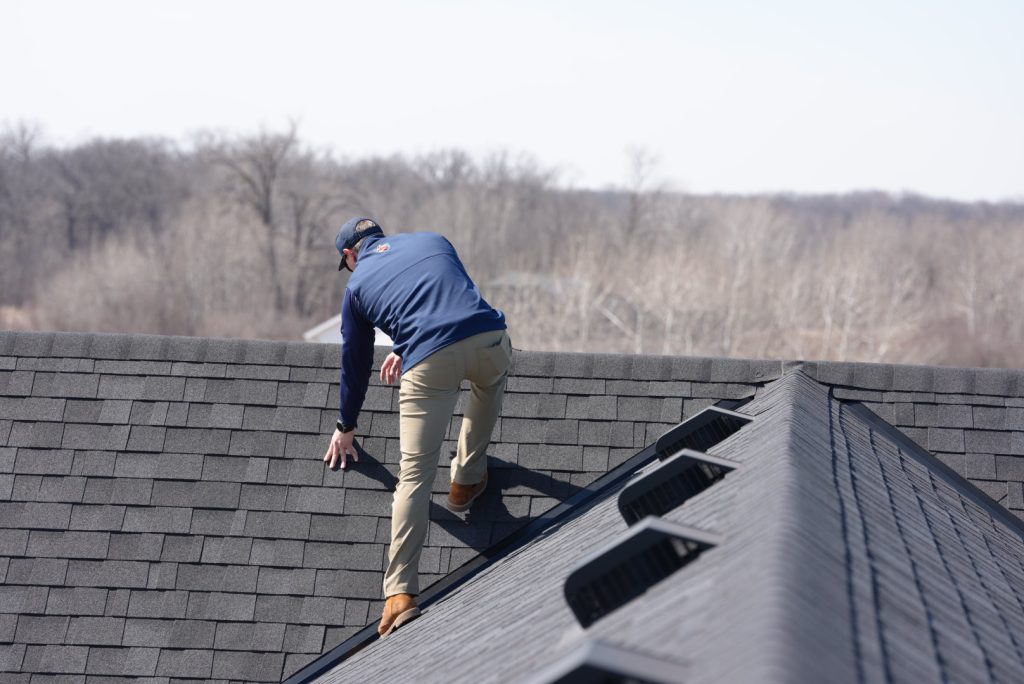
A roof inspection can identify hail impact, wind-related issues, and early signs of deterioration that may not be visible from the ground.
For most homeowners, the decision to schedule an inspection is based on storm exposure and location within the storm path, not just visible damage.
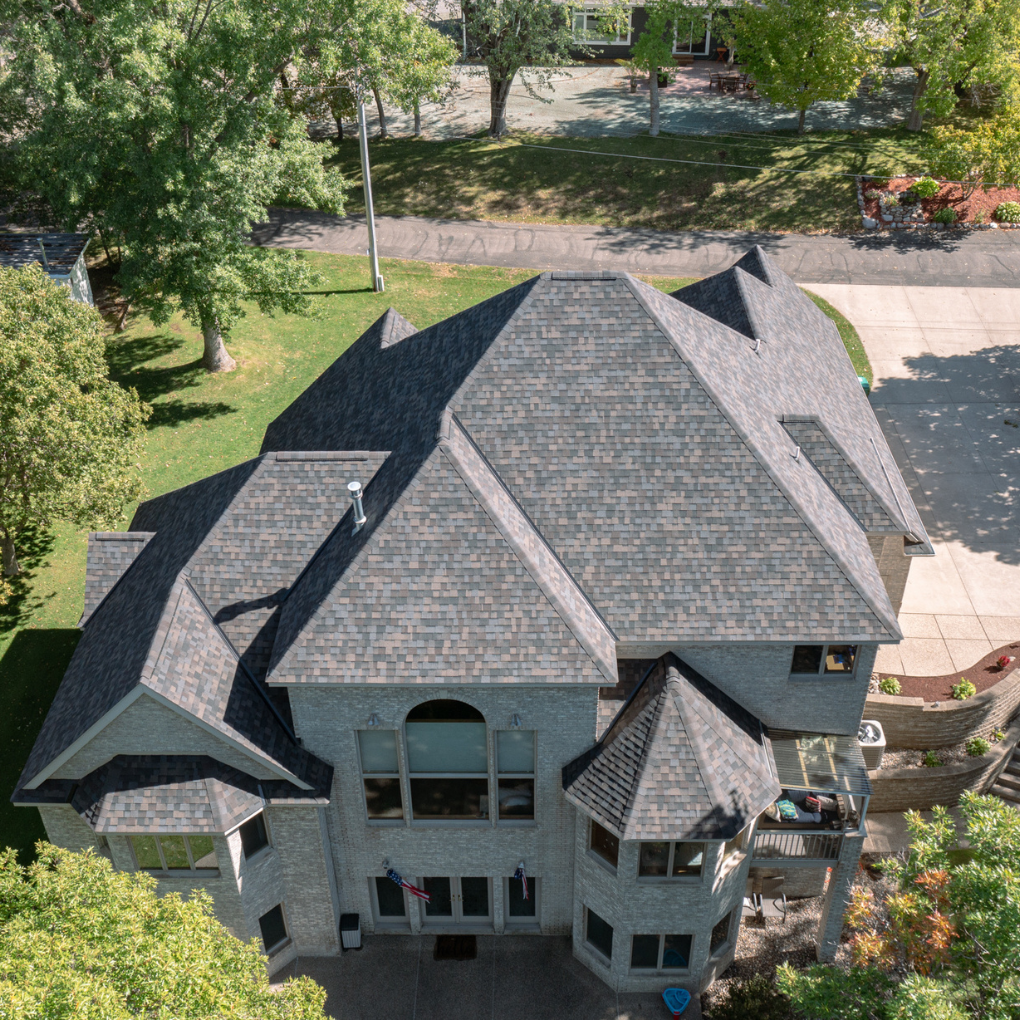
Aerial view of a home featuring asphalt shingle roofing installed by Committed Roofing & Exteriors.
GettyImages 1023194344
Com365 favicon

Schedule Your Free Roof Inspection

If you live in Paynesville, Eden Valley, Richmond, Cold Spring, St. Augusta, St. Cloud, or nearby communities along this storm path, schedule an inspection to confirm your roof’s condition.
storm path, schedule an inspection to confirm your roof’s condition. A roof inspection provides clear answers and helps you make the right decision moving forward.
co365 house icon accent

Questions About the Central Minnesota Storm on July 18, 2025

The largest hail, approximately 1.75 inches (golf ball-sized), was reported near Eden Valley and Richmond early in the storm.
Wind gusts reached approximately 60 mph across parts of the storm path, contributing to tree damage and roof impact.
No. Western portions of the storm path saw larger hail, while eastern areas experienced more wind-driven impact.
Yes. Even quarter-sized hail combined with strong wind can affect roof performance over time.