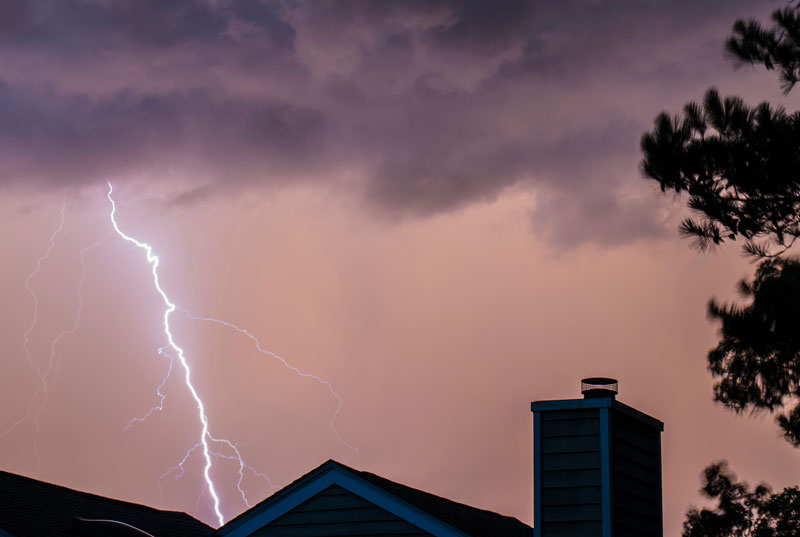
Because of this, many homeowners are unsure whether their roof has been affected, especially when no obvious signs are visible. This page helps you understand how storm activity may impact your roof and whether a roof inspection is the right next step.
Most inspections completed within 24–48 hours
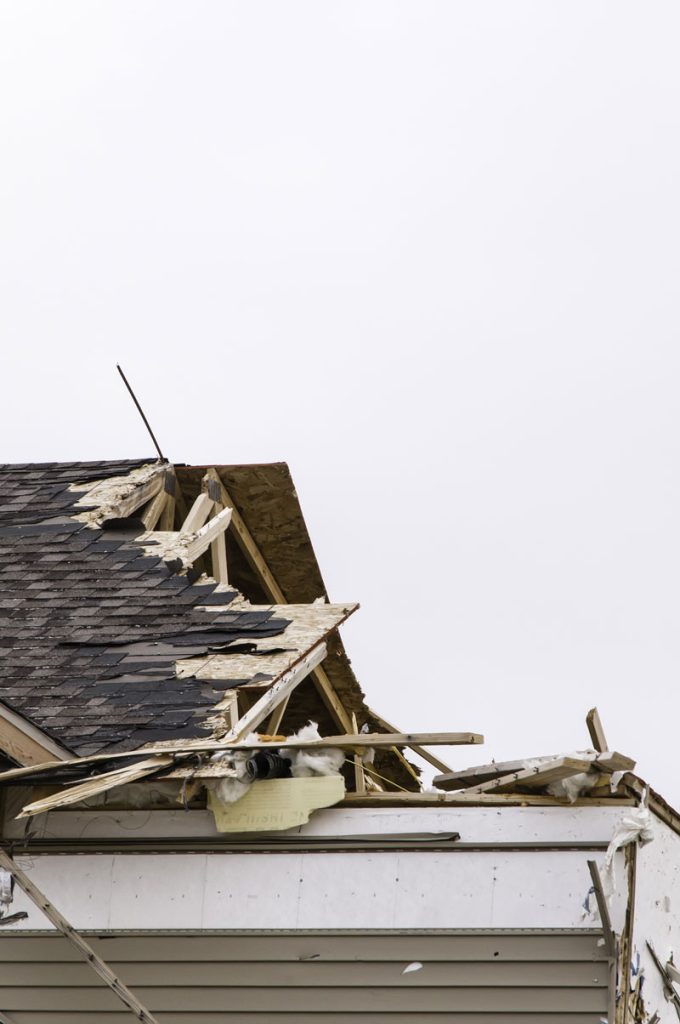
If your home was exposed to hail or strong winds, the safest next step is a professional roof inspection. In many cases, the decision is not based on visible damage, but on whether your roof was exposed to conditions that commonly cause damage.
Over time, these combined effects can shorten the lifespan of a roof and lead to leaks or structural issues. If damage progresses, it may eventually require a full roof replacement.
This delayed effect is one of the main reasons storm damage roof inspections are recommended after storms, even when everything appears normal.
What begins as minor damage can eventually lead to leaks, insulation issues, and more expensive repairs if not addressed early. A professional roof inspection helps identify these issues early.
Many homeowners assume that larger storms always cause more damage, but that is not always true.
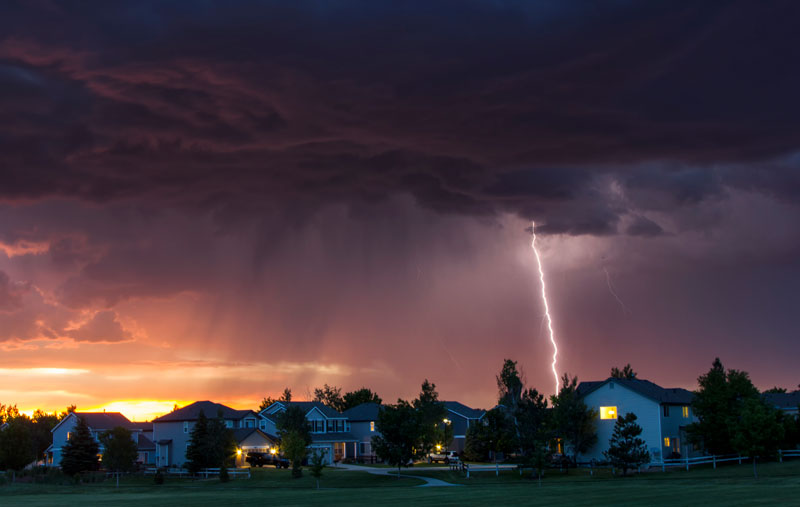
Storm paths can be narrow and concentrated. A small hail core can create significant damage in one neighborhood while nearby areas experience little to no impact.
Wind patterns can also vary based on terrain, structures, and how a storm moves through an area.
Because of this, understanding whether your specific home was in a storm path is more important than knowing how large the storm was overall. You can explore specific storm paths on our Recent Storms pages.
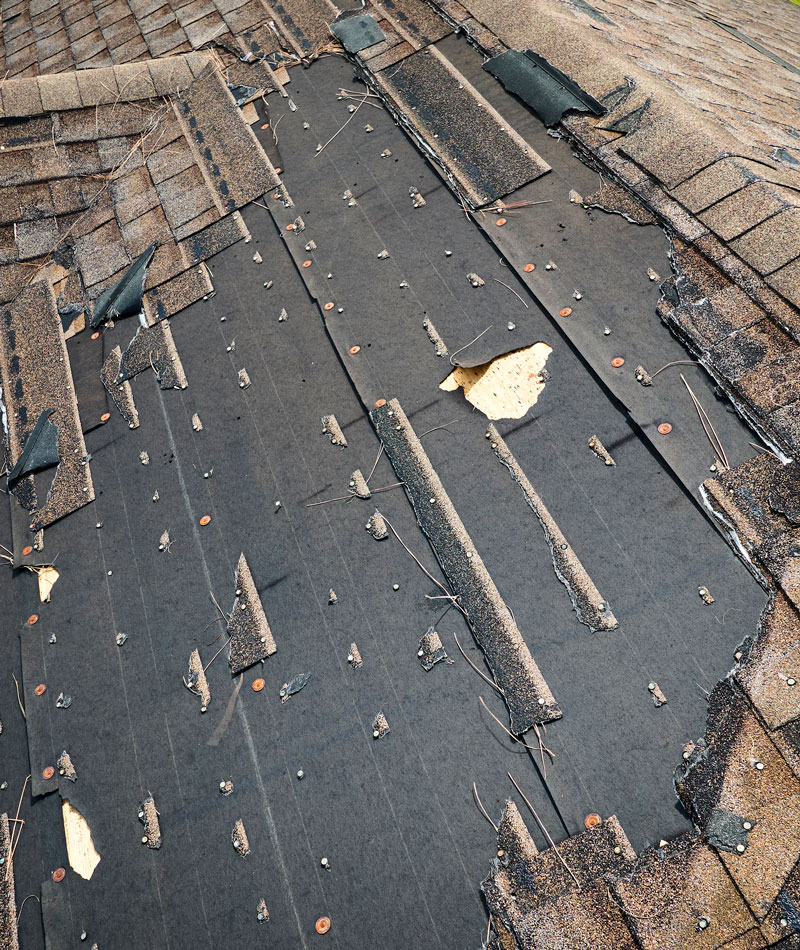
If you notice any of these, schedule a roof inspection.
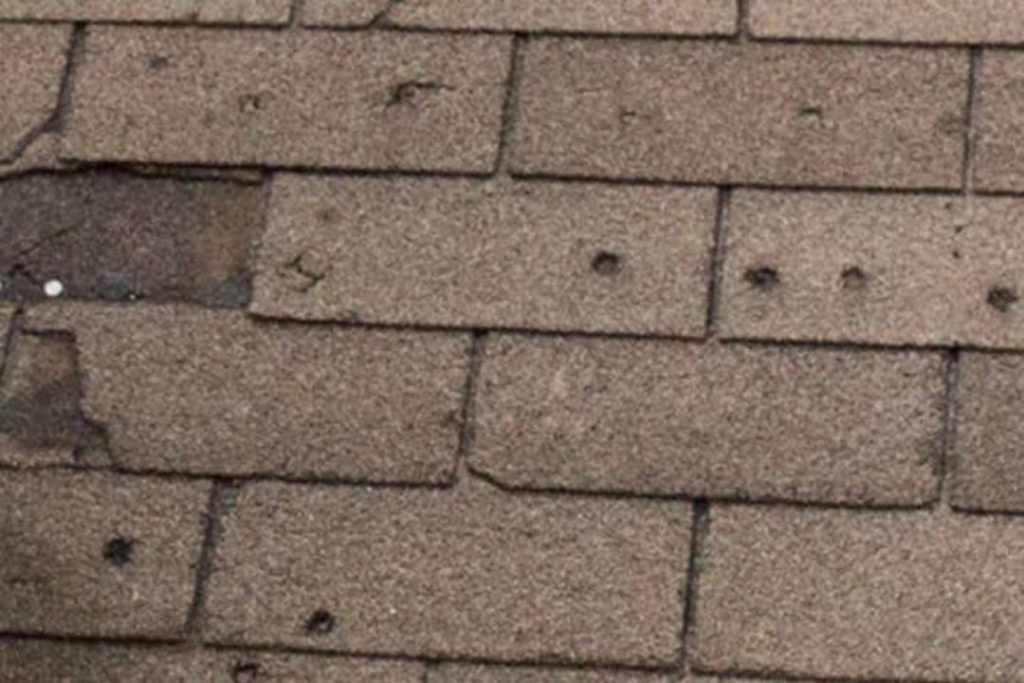
These patterns are often the earliest indicators of hail damage or wind damage to roofs. Learn more about the process on our Storm Damage Process page.
If you notice any of these, schedule a roof inspection.
Addressing issues early helps maintain the integrity of the roof and prevents more costly problems later. In some cases, this may lead to a full roof replacement if damage progresses.
Start with a roof inspection.