Large Hail Moved Through the New York Mills Area on August 17
A strong thunderstorm moved through the New York Mills area on August 17, 2026, bringing a concentrated corridor of hail across northeastern Otter Tail County.
Storm tracking for the area shows hail reaching approximately 1.25 inches within the primary impact zone, with portions of the storm potentially experiencing hail of 1 inch or larger for several minutes. A severe thunderstorm warning issued near New York Mills also identified the potential for large hail and damaging winds as the storm moved southeast through the region.
For homeowners, the intensity and duration of a hail event can matter just as much as the size of individual hailstones. Repeated impacts can damage asphalt shingles, roof vents, flashing, gutters, siding, and other exterior components even when the roof still appears normal from the ground.
Committed 365 Roofing provides professional storm damage roof inspections [INTERNAL LINK: Storm Damage] for homeowners in New York Mills and surrounding communities.
Get a Free Roof Inspection in Minnesota for Storm Damage, Repairs, or Replacement
Free inspection. Clear answers. No pressure.
Fully licensed and insured across Minnesota. Most inspections completed within 24–48 hours.
Your message was sent!
Thank you for contacting Committed 365! We will reach out to you soon.
A Concentrated Hail Track Near New York Mills
The August 17 storm did not produce the same conditions across every property. Radar-based storm tracking shows a more concentrated hail corridor through the New York Mills area, meaning homes only a short distance apart may have experienced significantly different levels of impact.
Properties located beneath the strongest portion of the hail core may have received repeated impacts from hail large enough to affect roofing and exterior materials. Homes closer to the edges of the storm path may have experienced smaller hail, fewer impacts, or little damage at all.
That localized pattern is one reason an address-specific roof inspection is more useful than assuming that every home in the community experienced the same storm conditions.
Hail does not need to break through a roof or cause an immediate leak to create legitimate damage.
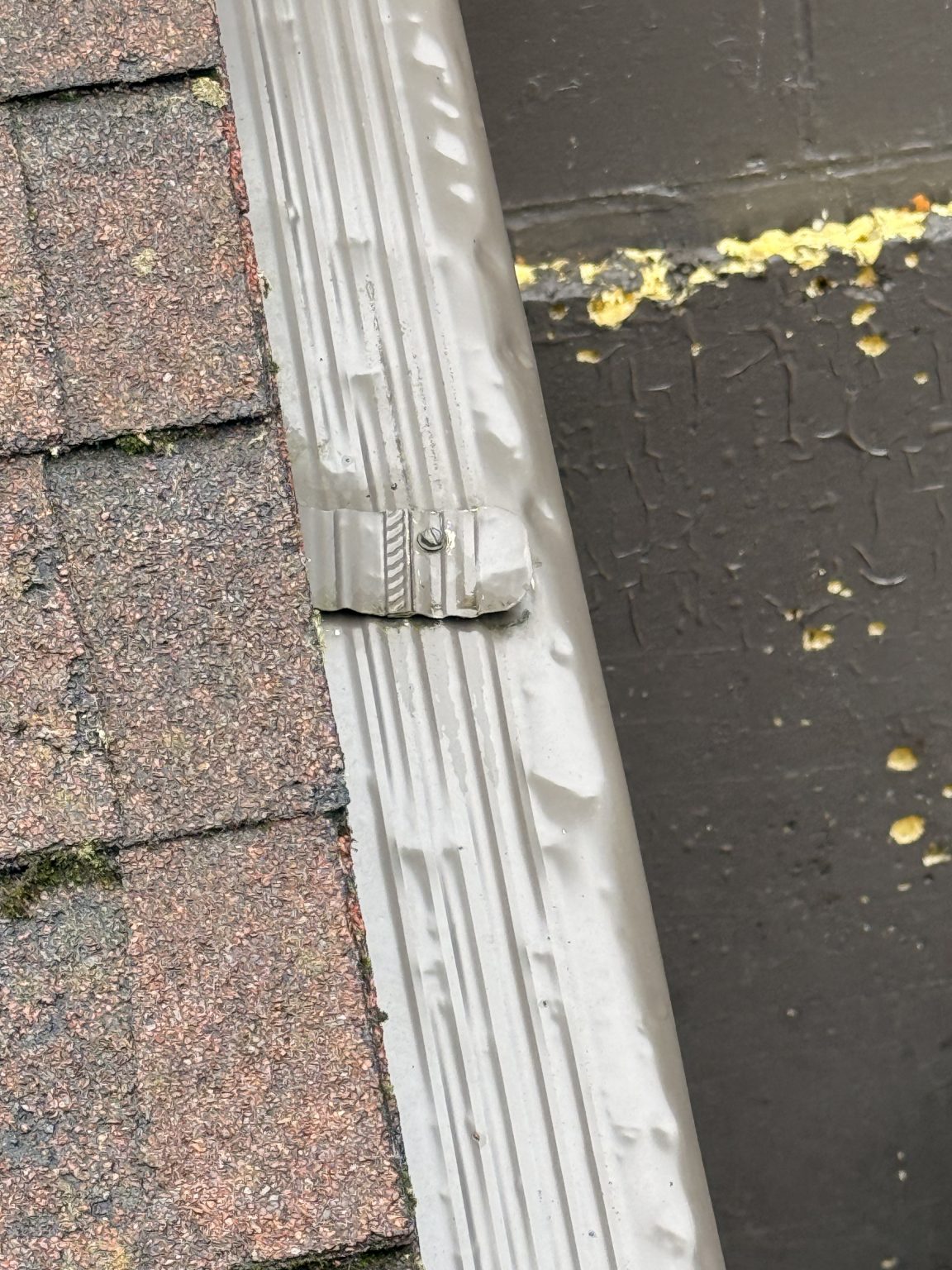
When hail strikes asphalt shingles, the impact can loosen or displace protective granules and damage the underlying asphalt mat. Hail can also dent metal roof vents, flashing, gutters and downspouts, while exterior impacts may appear on siding, fascia, window wraps, and other components. Some signs are obvious shortly after a storm. Others require a trained inspection to identify.
The August 17 storm is particularly worth paying attention to because the New York Mills area was located within a defined hail-producing corridor rather than simply experiencing general thunderstorm activity. Learn more about how Committed 365 Roofing evaluates hail and storm damage
What New York Mills Homeowners May Notice After the Storm
After a hailstorm, homeowners sometimes notice dents in gutters or downspouts, granules collecting near drainage areas, marks on roof vents, damage to siding, or changes to exposed metal surfaces.
However, the absence of these signs does not necessarily mean the roof escaped damage.
Hail impact on shingles can be difficult to distinguish from normal aging when viewed from the ground. In other cases, damage does not create a leak immediately. The roofing system may continue functioning while damaged areas become more vulnerable to moisture, UV exposure, snow, ice, and Minnesota’s freeze-thaw cycles.
If your home was in or near the August 17 storm path, a professional roof inspection can determine whether storm-related damage is present.
A roof is designed as a complete weather-protection system. When hail compromises part of that system, the effects may develop gradually.
Protective granules help asphalt shingles withstand sunlight and weather exposure. When those granules are displaced by hail impact, the asphalt beneath can become more exposed. Damage to flashing, vents, seals, and other components can also create vulnerable areas that become more noticeable after additional rain, snow, or seasonal temperature changes.
Minnesota roofs already experience substantial stress from heavy snow, ice, high winds, summer storms, and repeated freeze-thaw cycles. Damage from a summer hailstorm can accelerate deterioration and potentially lead to future roof repair or, when damage is widespread, roof replacement.
Identifying the condition early gives homeowners a clearer understanding of what happened and what, if anything, needs to be done.
Should You Have Your Roof Inspected After the August 17 Storm?
If your property was located within the New York Mills hail corridor, an inspection makes sense even if you have not noticed a leak or obvious exterior damage.
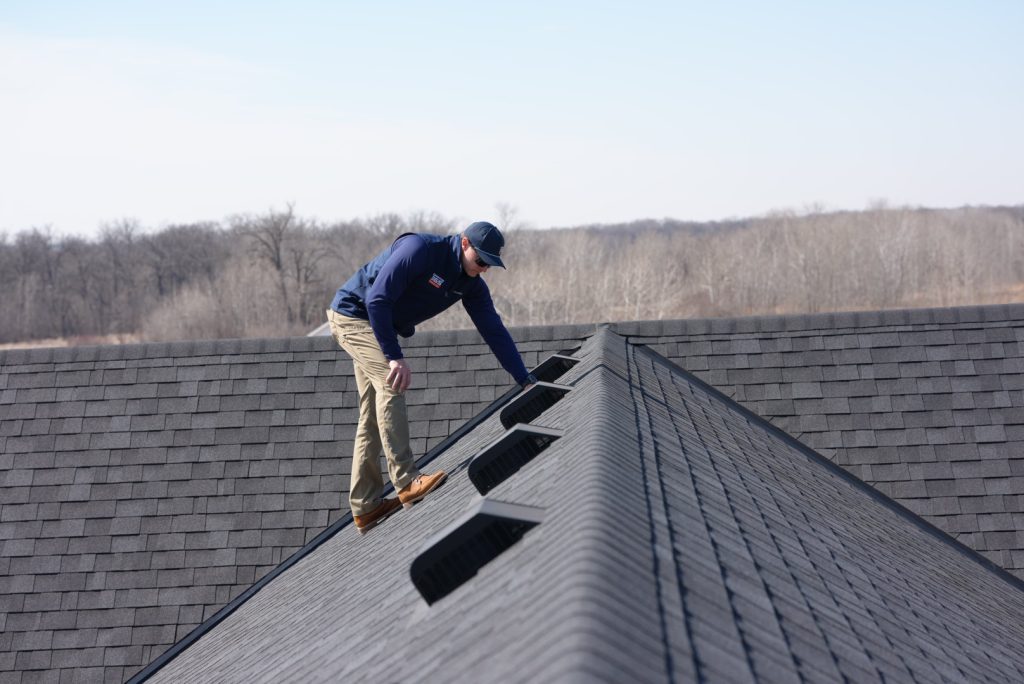
A professional inspection can evaluate shingles, roof penetrations, flashing, ventilation components, gutters, and other areas that commonly show evidence of hail impact. Committed 365 Roofing also provides detailed photo documentation so you can see what was found and understand the condition of your roofing system.
Our goal is to provide clear information. If your roof does not need repairs, we will tell you. If damage is present, we will explain the condition and the appropriate next steps.
If storm-related damage is found, documentation becomes especially important. Photos, inspection findings, storm information, and an accurate assessment of the affected roofing and exterior components can help homeowners understand the extent of damage before deciding how to proceed.
Committed 365 Roofing helps homeowners navigate the storm damage and insurance claim process by providing clear documentation and explaining what was found during the inspection.
The roofing contractor does not determine insurance coverage. Your insurance carrier makes that determination based on your policy and its evaluation of the loss. Our role is to accurately document the physical condition of your property and provide the roofing expertise needed as the process moves forward.
Schedule Your Free Roof Inspection in New York Mills
If your home was in the path of the August 17, 2026 hailstorm near New York Mills, you do not have to guess whether your roof was affected.
Committed 365 Roofing provides professional storm damage inspections with photo documentation, straightforward recommendations, and clear next steps.
Yes. Storm tracking shows a concentrated hail-producing storm moved through the New York Mills area on August 17, with large hail affecting portions of the surrounding area. Severe weather information from that afternoon also identified New York Mills within a storm capable of producing large hail.
Yes. Hail around 1 inch in diameter can damage roofing materials, particularly when accompanied by strong winds or when hail falls repeatedly over the same property. The amount of damage depends on hail size, wind speed, roof age, shingle type, roof slope, and the duration of the storm.
Yes. Hail can weaken shingles and roofing components without immediately creating an opening for water. Leaks may develop later as damaged materials continue to weather.
If your property was within the hail path, an inspection is the most reliable way to determine whether damage occurred. Many types of hail impact cannot be accurately evaluated from ground level.
No. The appropriate solution depends on the location, severity, and extent of the damage as well as the overall condition of the roofing system. Some roofs may need roof repair, while others with widespread damage may require roof replacement .