Minnesota roofs work hard. Between ice dams in January and hailstorms in June, the average roof here goes through a level of seasonal stress that homeowners in milder climates never have to think about. At Committed 365 Roofing, we’ve seen how a small missed issue in April turns into a ceiling stain by August, simply because nobody checked the roof after the snow melted. Knowing how often you should inspect your roof in Minnesota is one of the simplest ways to avoid that outcome.
Why Regular Roof Inspections Matter
A roof usually fails gradually, one lifted shingle or one cracked seal at a time, and those small problems stay cheap to fix only if someone catches them early. Regular roof inspections give you that early warning system. They also protect your roof’s warranty, since many manufacturers require documented maintenance to keep coverage valid, and they give you leverage when filing an insurance claim after storm damage.
How Often Is a Roof Inspection Needed in Minnesota?
For most homes in Minnesota, an annual roof inspection in spring covers the baseline need. However, three factors can push that frequency higher:
- Roof age matters, since anything over 15 years old benefits from a closer look twice a year.
- Recent severe weather, including hail, high winds, or heavy ice buildup, warrants an inspection.
- Homes with steep rooflines or heavy tree coverage tend to accumulate debris and moisture faster, which shortens the interval between checks.
Roof Inspection After Winter: Why Spring Is the Most Important Season
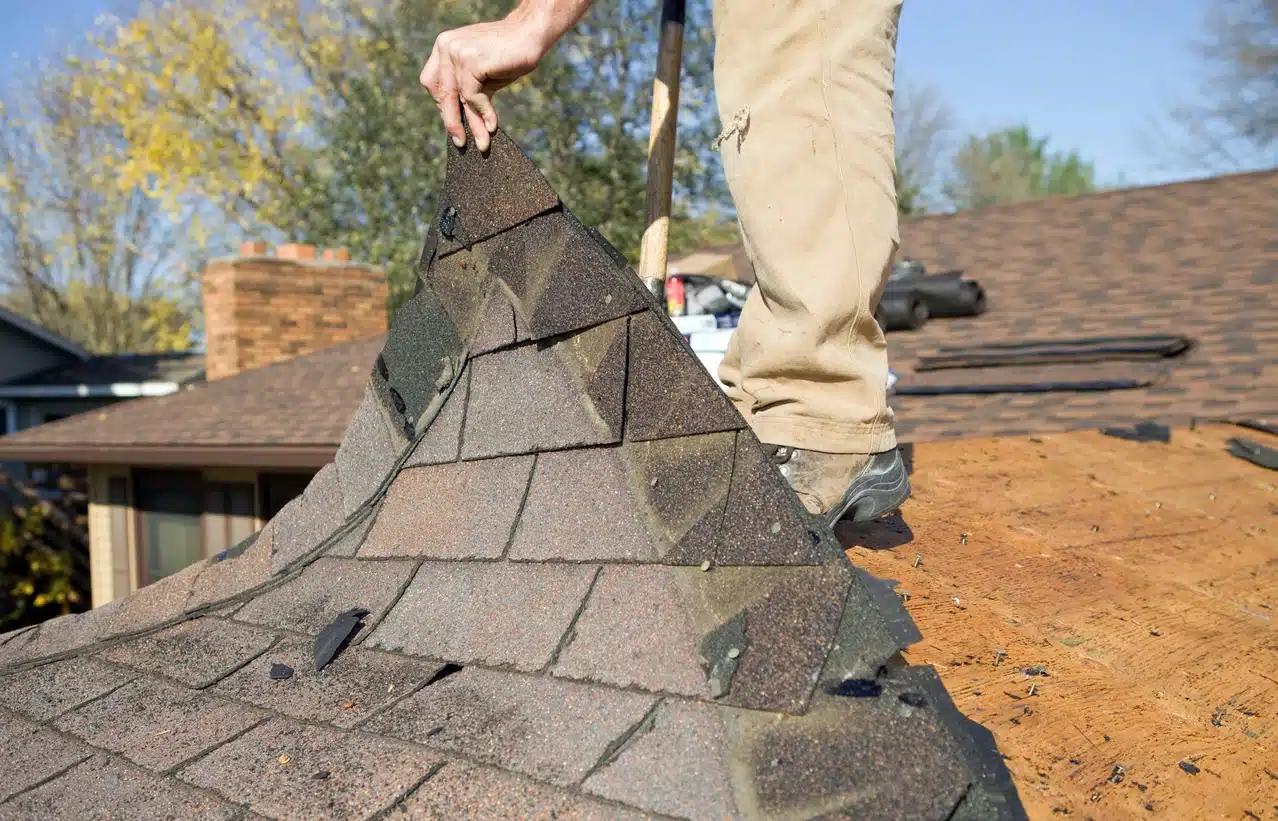
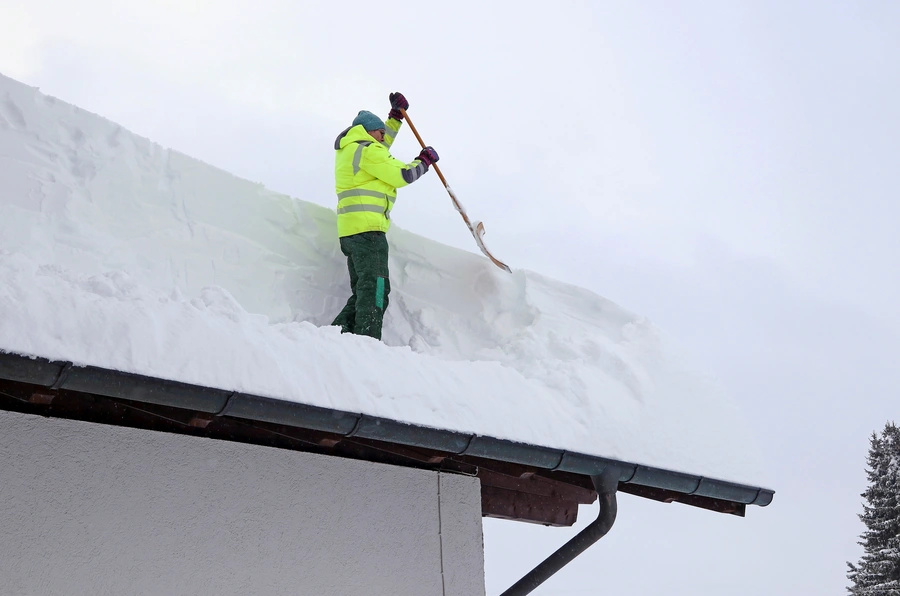
A roof inspection after winter isn’t optional in this climate. Minnesota winters bring repeated freeze-thaw cycles, and that constant expansion and contraction is what loosens shingles, cracks sealant, and widens small gaps in flashing. Ice dams add another layer of risk, forcing water backward under shingles instead of off the roof, which can lead to leaks that don’t show up until spring rain hits.
Spring is when all that winter stress becomes visible and fixable. Waiting until summer means those small cracks and lifted edges have had months to let moisture in.
Storm Damage Roof Inspection: When to Schedule Immediately
Some situations don’t wait for the annual checkup. A storm damage roof inspection should happen right away after any hailstorm, high-wind event, or fallen tree limb, even if the roof looks fine from the ground. Hail damage can bruise shingles in ways that aren’t visible until the roof starts leaking months later. If your neighbors are having roofs inspected or reshingled after a storm, that’s a strong sign it’s worth getting yours checked too.
Complete Spring Roof Inspection Checklist for Minnesota Homeowners
A thorough spring roof inspection checklist covers both the roof surface and the systems that protect it. Check these areas after the snow clears:
- Shingles for curling, cracking, or granule loss in valleys and along edges
- Flashing around chimneys, vents, and skylights for gaps or rust
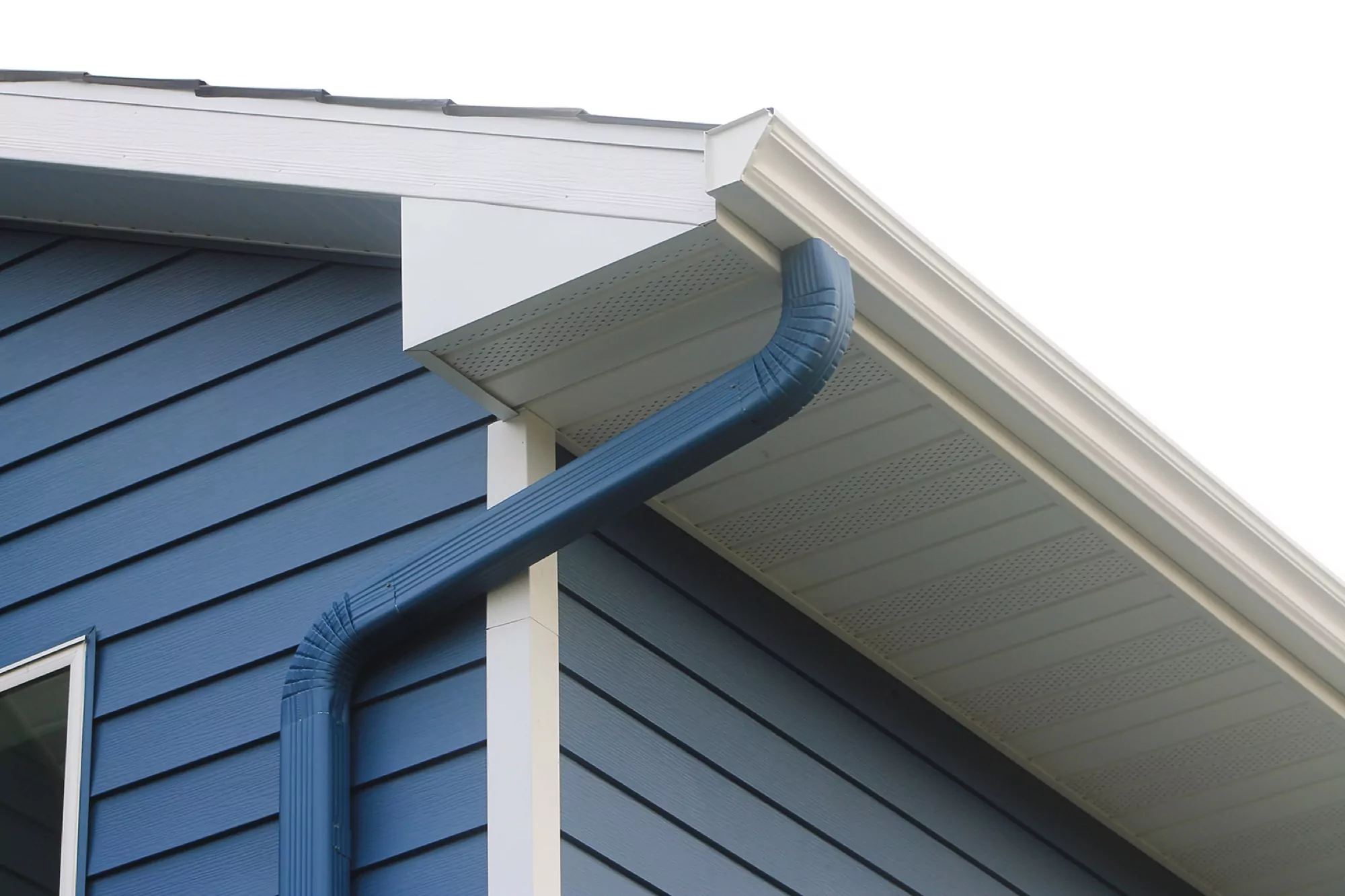
- Gutters and downspouts for debris, sagging, or separation from the fascia
- Attic space for daylight, water stains, or insulation that feels damp
- Soffits and fascia boards for soft spots or peeling paint, which often signal trapped moisture
Professional Roof Inspection vs DIY Inspection
A DIY walk-around is useful for catching obvious problems, and homeowners should absolutely do it. But a professional roof inspection goes further, using tools and training to spot issues that aren’t visible from the ground or even from the roof surface itself, like subtle deck deflection, early moisture intrusion, or ventilation problems tied to attic condensation. DIY checks are a good first step, but they shouldn’t replace a professional inspection, especially on roofs over 10 years old or after any significant storm.
Signs You Should Schedule an Inspection Right Away
Certain signs mean it’s worth calling sooner rather than waiting for the next seasonal check. Watch for ceiling stains that appear after rain, shingles found in the yard after wind, visible sagging along the roofline, or a noticeable spike in heating costs that suggests ventilation or insulation problems. Any one of these issues is worth a phone call.
What Happens During a Professional Roof Inspection?
During a professional inspection, our team examines the roof surface, flashing, and ventilation system, then moves into the attic to check for moisture, insulation gaps, and signs of past leaks. We document everything with photos and provide a written report outlining what’s in good shape, what needs attention soon, and what’s urgent. That documentation also becomes useful if you ever need to file an insurance claim for storm damage.
Schedule Your Annual Roof Inspection Today
Committed 365 Roofing offers thorough inspections for homeowners across Minnesota, with clear documentation and no pressure. Contact us to get your inspection scheduled today.