





Gutters take more abuse than almost any other part of a home, and most homeowners only think about them after something goes wrong. At Committed 365 Roofing, we replace more gutter systems in early spring than any other season, and it’s almost always because the original setup wasn’t built for winter. Choosing the right gutter system for Minnesota winters in Minnesota saves that headache entirely. This guide covers what holds up under snow and ice, which materials perform best, and how to tell if your current gutters are already on borrowed time.
Why Minnesota Winters Are Tough on Gutters
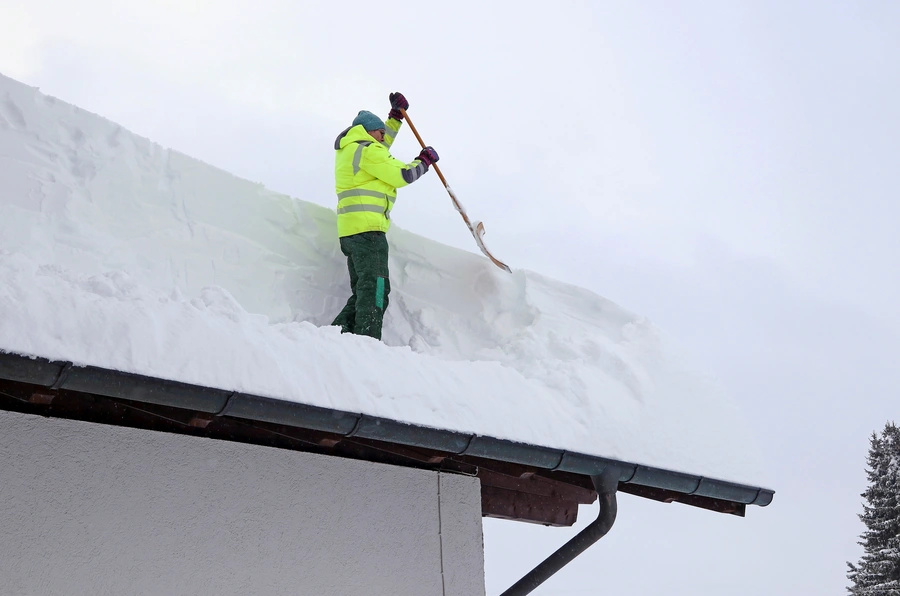
Minnesota gutters deal with a punishing cycle. Snow piles up, partially melts during warmer afternoons, then refreezes overnight, adding weight and stress with every temperature swing. Ice dams form along roof edges and force water backward under shingles instead of into the gutter where it belongs. On top of that, the sheer weight of accumulated snow and ice can pull lightweight or poorly fastened gutters away from the roofline entirely.
What Makes a Gutter System Ideal for Minnesota Winters?
Gutters for snow and ice need three things working together: material strength, proper sizing, and secure fastening. The material has to resist cracking in extreme cold and hold its shape under sustained weight. The size has to handle rapid snowmelt without overflowing, and the fastening system, whether it’s hidden hangers or spike-and-ferrule, has to hold through repeated ice expansion without pulling loose.
Seamless Gutters vs Regular Gutters: Which Is Better?
Sectional gutters are assembled from multiple pieces joined together, and every seam is a place where water can escape, corrosion can start, and ice can wedge itself in and pry the joint apart over time.
Seamless gutters are custom-formed on-site to fit your roofline in continuous lengths, with seams only at corners and downspouts. Fewer seams mean fewer failure points, which matters even more in a climate where ice expansion actively works to separate anything that isn’t a solid, continuous piece. For Minnesota homes, seamless gutters are generally the stronger long-term choice.
Best Gutter Materials for Snow and Ice
Material choice makes a difference in how a gutter system holds up against storm damage. Aluminum is the most common option, offering a balance of affordability, rust resistance, and reasonable strength under snow load. Steel, particularly galvanized or galvalume steel, holds up better under heavy ice accumulation, but costs more and can rust over time if the coating is compromised. Copper performs exceptionally well in cold climates and resists corrosion almost indefinitely, though it comes at a premium price point.
Choosing the Right Gutter Size for Minnesota Weather
Standard residential gutters run five or six inches wide, but Minnesota’s rapid snowmelt and heavy rain events often call for a larger size. A six-inch gutter system for Minnesota winters moves significantly more water than a five-inch system, which matters most during a fast spring thaw when several inches of snow can melt within a day or two. Homes with steep rooflines or large roof surfaces, which funnel more water into fewer gutter runs, benefit the most from upsizing.
Do Gutter Guards Work in Snow?
Mesh and micro-mesh guards are effective at keeping leaves and debris out, but they can actually contribute to ice buildup if snow melts on the roof and refreezes on the guard’s surface before draining through. Solid-hood guards perform better in snowy climates, since they promote water shedding without creating additional surfaces for ice to grip. Guards aren’t a substitute for proper insulation and ventilation, which are the real long-term fix for ice dam issues, but the right style can reduce debris-related clogs during the rest of the year.
Ice Dam Prevention Gutters: Can Gutters Help Stop Ice Dams?
Ice dam prevention gutters can reduce the severity of ice dams, but they can’t eliminate the underlying cause, which is usually heat escaping from the attic and melting snow unevenly across the roof. A well-sized, properly sloped gutter system moves meltwater away efficiently, which helps, and heated gutter cables can assist in high-risk areas. Ice dam prevention starts with attic insulation and ventilation, with the gutter system playing a supporting role.
Signs Your Gutters Aren’t Ready for a Minnesota Winter
A few signs point clearly toward gutters that won’t make it through another season. Watch for visible sagging or pulling away from the fascia board, rust spots or cracking along seams, water marks or staining on the siding beneath the gutter line, and standing water in the gutter itself after a rain, which usually signals poor pitch or a clog.
Professional Installation vs DIY Gutter Systems
Gutter installation looks simple, but proper pitch, secure fastening, and correct sizing all require precision that’s hard to get right without experience. A professional installation accounts for your specific roofline, local snow load expectations, and drainage needs. Given how much stress Minnesota winters put on a gutter system, professional installation is worth the investment.
Get Gutters Built for Minnesota Winters
A gutter system that can’t handle snow and ice ends up costing more in repairs than it would have cost to install correctly the first time. Committed 365 Roofing installs gutter systems sized and built for Minnesota winters. Contact us to get a gutter assessment before the next snow season arrives.